Assurance
multi-
risque

Devis gratuit
Cliquez-ici
 

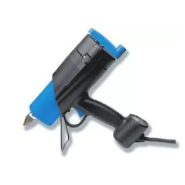
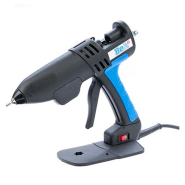
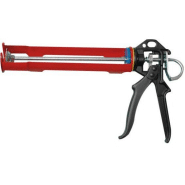
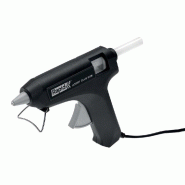
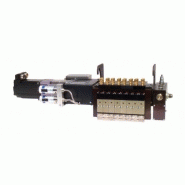
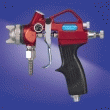
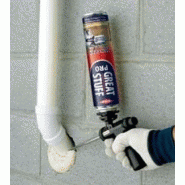
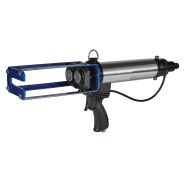
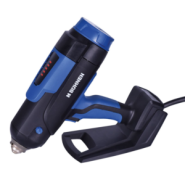
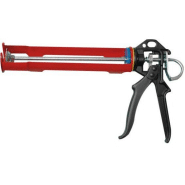
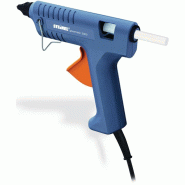
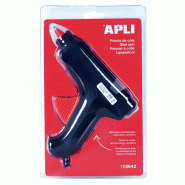
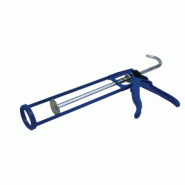
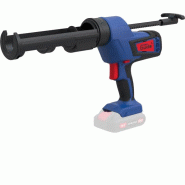
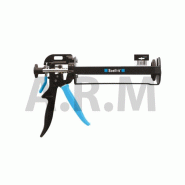
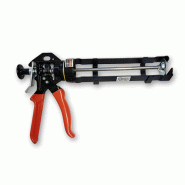
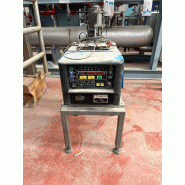
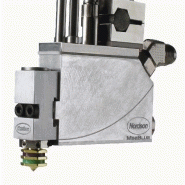
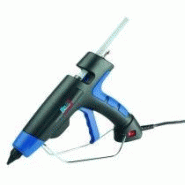
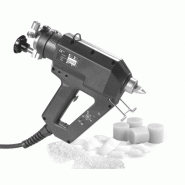
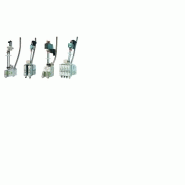
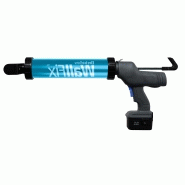
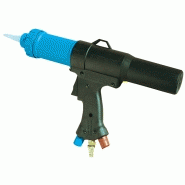
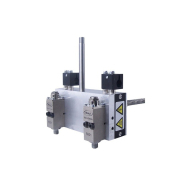
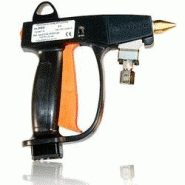
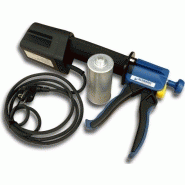
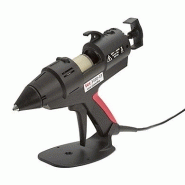
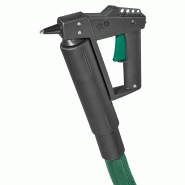
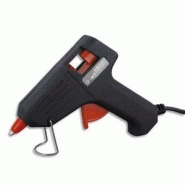
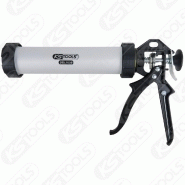
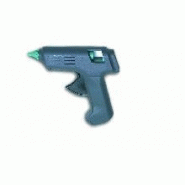
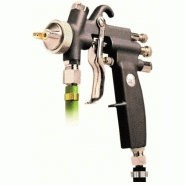
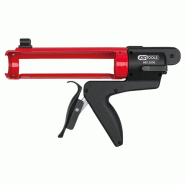
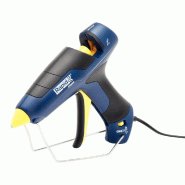
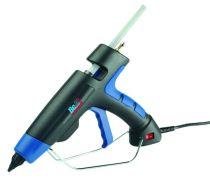
PISTOLET À COLLE

Pistolets à colle manuel pour batonnets de 12, 15 ou 18 mm.

Appareil léger, très fiable, même en usage intensif. Permet un fort rendement.

Domaines d'utilisations et exemples d'applications

Application : Utilisation manuelle.

Ajouter un commentaire sur le produit Voir Poser une question Poser une question
Pour une meilleure présentation du document, cliquez ici pour la version BMP
From 40 years of RF design expertise comes 
the Masterpiece Ham Radio Transceiver
Icom is a pioneer in the amateur radio world. Starting with thefirst analog PLL circuit in the IC-200 to the ground-breaking 32-bit DSP technology used in the IC-756PRO, Icomâs developedsome of the most innovative radio equipment ever made.Continuing with this tradition, Icom announces the ground-breaking IC-7800!
The IC-7800âs somewhat familiar looks will remind many HFoperators of the IC-781. The IC-781 set benchmarks back in the1980âs as that generationâs ultimate HF transceiver.  Some oftodayâs operators still feel the IC-781 is the pinnacle in amateurradio design. They have not seen the IC-7800. It takes amateurradio to a whole new level of performance. The IC-7800 will beviewed as the pinnacle radio for years to come.
The IC-7800 is an artistic fusion of over 40 years analog RFcircuit development expertise and cutting-edge digital technology.The result is TWO identical receivers with 110dB dynamic range,+40dBm 3rd order intercept point, and unmatched DSPtechnology in the HF bands something that has never beenachieved in Ham radio! 
Simply put, Icom has developed the ultimate Amateur HFtransceiver.  No one else comes close!
2nd mixer(Image rejection mixer)
DSP Circuit
15kHz BW
IF
1st mixer
BPF
AMP
90°
Pre-
IF
IF
BPF
LPF
Phase
A/D
AMP
BPF
AMP
selector
AMP
AMP
AMP
shifter
IF
BPF
AMP
CPU
AGC
1st LO
6kHz BW
DET
(Except FM mode)
90°
Phaseshifter
D/A
AGC
DET
AGC Loop line 
+40dBm IP3 
Icomâs DIGI-SEL
Multiple AGC loops
(3rd order Intercept Point)
The pre-selector works between 1.5MHz and
The IC-7800 has multiple AGC loops. The AGC
30MHz and rejects distortion components
Icomâs considerable analog RF circuit
voltages detected in front of and behind the
derived from out of band interference such as
experience combined with cutting-edge digital
digital IF ï¬lter in the DSP unit. The ï¬rst AGC loop
multi-multi operation or strong broadcast
technology results in an astonishing 110dB
prevents saturation of the 1st IF amplifier. The
receiver dynamic range and a +40dBm IP3 in the
other AGC loop detects the AGC voltage at the
HF bands. A first in Ham radio! To achieve thissuperior receiver performance, Icomâs
2nd mixerImage rejection mixer
DSP unit
engineering team completely re-engineered thewhole analog circuit and matched it to the DSP
IF AMP
AMP
AMP
90° Phase 
IF AMP
A/D
BPF
units. This allowed us to explore new technical
shifter
IF AMP
IF AMP
AGCDET
Dynamic range characteristics 
90° Phase 
AGC
shifter
D/A
(in 14MHz band)
DET
IP3 (3rd order Intercept Point)
AGC Loop line 
+40dBm
Audio output level
DIGI-SEL unit
digital IF ï¬lter output which has only passed the
Dynamic range
DIGI-SEL Characteristics in the 14MHz band
intended signal and draws the full potential from
110dB
REF 0.0dBm
DL â30.0dBm
MKR 14.16MHz
10dB/
â8.73dBm
the digital IF ï¬lter. Combining the digital IF ï¬lter,
*A_Write Norm
B_Blank Norm
manual notch, and the 1st IF stage, these are all
MARKER
0dB
14.16MHz
controlled by the DSP unit. 110dB of ultra widedynamic range in the receiver means the IF
[dB]
ampliï¬er is distortion free from strong signals.
50
40
3rd order 
Sensitivity
Intermodulation
Full AGC controls
30
20
The IC-7800 accommodates both the âon-the-ï¬yâ
10
Noise floor level
3dB
0
Input level at the antenna connector [dBm]
dimensions.
START
0Hz
STOP 30.00MHz
RBW 300kHz
VBW
300kHz
SWP 200ms
ATT
10dB
Internal distortion reduction
stations. It automatically tracks the intended
AGC setting screen
signal keeping the pre-selectorâs bandwidth
The IC-7800 uses durable mechanical relays for
centered on the operating frequency. The center
operator as well as the most avid âtweakerâ
BPF switching instead of non-linear semi-
frequency of the pre-selector is manually
operator by providing tunable AGC preset and
conductors, like switching diodes which can
adjustable from the DIGI-SEL tuning knob on the
manual AGC level controls. The AGC time
cause distortion. The mechanical relay reduces
front panel.
constants can be set in the 3 presets (slow,medium and fast), adjustable from 0.1â6 sec.
Less internal phase noise
(0.3â8 sec. at AM) delay. Then the addition of theAGC VR control enables the user to âtweakâ orï¬ne tune the AGC reaction time.
Simple receiver system configuration is the bestway to eliminate sources of the spurious signalsand distortion from transceivers. The IC-7800 uses
Digital IF ï¬lter
a double conversion system composed of a D-MOS FET 1st mixer and a newly developed image
The IC-7800 incorporates the âbuild your ownâ
rejection mixer for the 2nd stage. The 1st mixer
filter. This allows the operator to adjust filter
stage is driven with a signal from the high-drive
BPF unit
secondary distortion at the primary stage ofsignal processing.
Improved blocking 
Filter preset screen.
Contesters know how frustrating it is to
shaping (sharp or soft), ï¬lter bandwidth, and center
experience a strong
frequency characteristics, without missing the
adjacent signal thatâs
action. Multiple ï¬lter memories store the last used
blocking the receiver
filter settings by using operation mode. This
from pulling out a
allows the operator to quickly switch filters for
weaker signal.
constant operating conditions, such as in a
Before the 1st
contest. Icomâs digital IF filters give you
amplifier, the IC-
performance that is not possible with crystal or
7800âs  two roofing
mechanical ï¬lters.
Two rooï¬ng ï¬lters
filters block strong
Local Oscillator with excellent C/N. The image
adjacent signals. You
rejection mixer for the 2nd stage reduces signal
Digital twin PBT (Passband Tuning)
can select the ï¬lter widths from 15kHz and 6kHz,
distortion through IF processing and provides a
depending on operating mode. (FM mode is ï¬xed
high-fidelity signal to the DSP unit. This system
Once the IF filters have been âtweakedâ, the
to 15kHz.)
provides wide dynamic range, reducing the
operator has additional control with the digital twin
distortion from strong signals and lower
PassBand Tuning (PBT). The digital twin PBT
intermodulation.
improves the receiver sensitivity by reducing
Digital manual notch ï¬lter 
Variable level noise reduction
intermodulation characteristics, enabling weaksignal work without distortion or interference from
In recent years, HF operators have marveled at
The 32-bit DSP processing power of the 
strong signals in the band.
how well DSP reduces interfering signals and
IC-7800 produces real results by separating a
noise. Signals such as heterodynes and AM
signal component from the noise with the
Quad processing 
Carriers can be eliminated with Automatic Notch
variable noise reduction. By suppressing the
filter technology. Making interference from RF
noise components, an outstanding signal-to-
The IC-7800 incorporates four independent, 32-
sources such as beat signals and RTTY signals is
noise ratio is achieved, providing clean, clear
bit floating DSP units and 24-bit AD/DA
a thing of the past. Additionally, the ï¬lter shape of
audio in all modes without distortion of the target
converters. By having four independent DSP
the Manual Notch can be adjusted in three steps,
signal.
units, the radio will respond to operator changes
with more than 70dB of attenuation! 
in an instant, as each
Adjustable noise blanker
DSP
unit has a
[dB] 10
dedicated function.
0
While there is one for
A newly designed, digital noise blanker
â10
each receiver, this
signiï¬cantly reduces pulse type noise. As part of
â20
includes the AGC and
the 32-bit DSP function, there are three
Wide
â30
Filter controls, there is
Middle
adjustments: threshold level, blank time
â40
Narrow
a DSP unit for transmit
parameter, and attenuation level.
â50
as well as a DSP unit
DSP Unit
â60
for the Spectrum
â70
50MHz band preampliï¬er and mixer
Scope.  
â80
â90
The IC-7800 was designed with the 6m
Two completely independent 
â100
aï¬cionado in mind. Rather than sharing circuits
â800
â600
â400
â200
0
200
400
600
800
receiver circuits
[Hz]
used for HF, a separate preamplifier and mixer
Manual notch ï¬lter characteristics
was designed especially for 6m. This greatly
The IC-7800 incorporates two completely
independent receivers, from the antenna inputs
Oscillator) unit which is stable to within ±0.05ppm
all the way though to the stereo headphone or
at 0ËC to 50ËC. This speciï¬cation means that even
individual external speaker outputs. All the
on the 50MHz band, frequency error is less than
performance of the ï¬rst receiver is duplicated for a
2.5Hz! In addition, a 10MHz reference frequency
perfectly matched set of âTwinsâ. When
Example of spectrum scope centered on the receiving frequency.
connected to external stereo headphone, mainand sub receiver audio can be mixed orseparated to right and left.
Real time spectrum scope
Example of ï¬xed spectrum scope range.
With its introduction in the IC-781, having aspectrum scope in an HF radio changed the way
OCXO Unit
HF operators âseeâ the band! Due to the DSP
can be input and output for accurate tuning.
unit for the scope, the IC-7800âs spectrum scopeprovides excellent sensitivity, with 80dB of
Central Control
dynamic range. While the scope rivals many oftodayâs commercial test sets, there are 7 steps,
In the heat of a big contest or a DX-pedition,
ranging from ±2.5 to ±250kHz. This is up to
control placement is extremely important as
500kHz of spectrum! 
every second counts. So Icom took a proven
Also, there is a setting to allow for speciï¬c scope
system, the IC-781, and used the basic front
edges or center the span on the receiving
Mini scope screen.
panel design for the IC-7800, incorporating
frequency. In addition to these features, the
band one touch switch. 
improvements for all the new features and
scope has 3 levels of attenuator (10dB, 20dB,
controls. Often used functions, including RF
30dB), 3 types of reference markers (main
Ultra high stability OCXO unit
power and key speed have independent large
receiver, sub receiver, transmit), 3 levels of sweep
knobs for easy access. The âXFCâ button is
speed (slow, mid, fast), peak hold and main/sub
The IC-7800 uses the OCXO (Oven Control Crystal
placed efï¬ciently for holding the button by the left
The above photo shows actual size.
PSK31 transmit memory stores up to 70
7-inch wide color TFT LCD
characters of often used messages for each
200W output power 
channel. 
at full duty cycle
While Icomâs RF engineering team reviewedreceiver designs for how the IC-7800 hears a
The newly designed push-pull power ampliï¬ers
signal, close attention was also paid to how the
using power MOS-FETs work on 48V DC. They
operator sees a signal. Details such as response
provide a powerful 200W output power at full
time, color, resolution, and visibility were extremely
duty cycle and low transmit intermodulation. An
important. Thus, an active matrix 7-inch (800Ã400
effective cooling system maintains internal
pixel) TFT color display was selected for the IC-
temperatures within a safe range and prevents
7800. 
thermal runaway.
This large display shows main, sub-bandfrequencies, including various settings, and
Microphone equalizer
operating conditions, as well as the spectrumscope, S-meter, and RTTY/PSK31 decoded
One of the four 32-Bit DSP units is used for
messages. The âvirtualâ S-meter shows high
adjusting the transmit audio. Digitally tweak your
quality, analog-looking needle swings that are
transmit audio with the separate bass and treble
smooth and accurate. In addition to the 3 styles of
controls for incredible sounding audio. This built-in
âvirtualâ meters, the IC-7800 has digital multi-
audio equalizer has a total of 121 combinations
function bar graphic meters to show various
for each phone mode, so you can master the
conditions, including transmitter PA temperature
warm, full audio you want. In addition to the
and voltage. If a larger display is desired, the IC-
PA unit and heat sink
equalizer, a new parametric transmit bandwidth
7800 has a VGA connector for an external monitor
for the SSB mode allows the operator to set boththe high- and low-pass ï¬lter limits.  (100, 300, 500for the high-pass and 2.5, 2.7, and 2.9 kHz for thelow-pass). Then store the filter settings into thethree bandwidth memories. The operator may
Bar type meter
now go from DX to rag chew audio with the pushof a button.  
RF speech compressor
PA unit (close up)
Edge width meter
The IC-7800 utilizes the 32-bit DSP for the RFspeech compressor providing the maximum punchwithout the fuzzy sound. Itâs great for breakingthrough the noise and hash to complete the QSO.
Multi-function meter
CF memory card
Making big scores means keeping your teamfresh on those long DX-peditions or Multi Opcontests. Swapping out operators usuallyinvolves time-wasting radio tweaks, becauseeach operator has their own favorite settings tobest match their operating style. This all changes
Memory list screen (Wide setting)
and an S-meter connector for an external analogS-meter.
RTTY/PSK31 operation without 
Antenna memory setting screen
PC connection
with the CF memory card! Prior to a contest,
Another amateur radio first is the capability of
operators may record their preferred IC-7800
receiving and transmitting RTTY and PSK31
settings such as filter, Digital Voice Recorder
Transmit bandwidth setting
without the aid of a computer. While decoded
(DVR) memories, antenna settings, etc. When itâs
RTTY and PSK31 is shown on the 7-inch display,
their turn to operate, simply insert their CF card
simply connect a USB keyboard to the IC-7800 to
into the IC-7800. In a flash, the â7800 is now
send as well. To reduce errors in receiving RTTY,
âtheir rigâ, and thereâs nearly zero down time! 
the IC-7800 has a digital twin peak ï¬lter to reduceinterference from other signals in the band. Also,
Digital voice recorder
transmitted and received messages can bestored to a CF memory card, which may then be
The IC-7800âs Digital Voice Recorder (DVR) is a
transferred to your PC.
very convenient function for contests, DX-
In addition, a total 8 channels of RTTY and
peditions, and even normal operation. Recordyour callsign, CQ, or contest number in up to fourmemory locations. A total of 90 seconds isavailable for the four memories, with eachmemory channel being soft partitioned to allowcustom recording sizes.
RTTY decode screen
The front panel control of the DVR allows you torecord incoming signals up to 200 seconds for
Other outstanding features
[Antenna line]
[Transmitter]
⢠
Built-in voice synthesizer announces
⢠High speed automatic antenna tuner covers
⢠Tx monitor
operating frequency, mode and receiving
HF and 50MHz bands.
⢠50 CTCSS tone encoder and decoder
signal strength.
⢠BNC type Rx In/Out connectors for receiver
⢠VOX capability (Voice operated transmission)
⢠Programmed scan, memory scan, select
antenna or external attenuator, etc. 
⢠All mode power control
memory scan, VSC scan and âF scan
[Receiver]
[Operation]
⢠Main dial tension control
⢠General coverage receiver covers from
⢠Set mode function for ï¬exible and speedy setting
⢠CI-V interface capability
30kHz to 60MHz (* Some frequency bands are
⢠Memory pad stores up to 5 or 10 operating
⢠Optical digital audio input/output for PC
not guaranteed. Depending on version.)
frequencies
connection
⢠Two types of receive preampliï¬ers:
⢠Quick split function and frequency lock
⢠BNC type Transverter connector
Preamp 1; Increase low level signal
function for split operation
Offset frequency is user programmable and
improving intermodulation characteristics 
⢠Triple band stacking register
actual frequency is displayed.
Preamp 2; High gain preampliï¬er
⢠SSB/CW synchronous tuning
⢠UTC/Local Clock and timer function
⢠
Built-in receive audio equalizer tweaks
⢠Single knob control from squelch to RF gain
receive audio with the separate bass and
⢠RIT and âTx variable up to 9.999kHz
treble controls 
Supplied accessories:
⢠1Hz pitch tuning and indication
⢠7-step attenuator (3, 6, 9, 12, 18, 21dB and OFF)
⢠CF memory card (64MB)
⢠AC power cable 
⢠101 memory channels with 10-character
⢠Spare fuses
⢠Speaker plugs
⢠Key plug
⢠External speaker connectors for main and
alphanumeric
⢠ACC plugs
⢠Power plug
⢠Pin plug
sub receiver
⢠Auto tuning step function
⢠Rack mount handles
Rear panel view
q
w
e
r
t y
r
u
i
o
!0
!1
!2
!3
!4 !5 !6
!7
!8 !9 @0
@1
@1
@2
q Antenna Connectors
i External Display Connector (VGA)
!6 External Memory Keypad Jack
w Ground Terminal
o USB Keyboard Connector
!7 Key Jack
e Breaker Switch
!0 RS-232C Connector
!8 Tx/Rx Control Jack (Relay)
r Receive Antenna Connectors A/B
!1 CI-V Remote Control Jack
!9 ALC Input Jack
t Transverter Jack
!2 S/P DIF In/Out Jacks
@0 ALC Level Pot
y AC Power Cord Receptacle
!3 Reference Frequency In/Out Jack
@1 ACC Sockets A/B
u Main Switch
!4 External DC Output Jack
@2 External Speaker Jacks
!5 S-meter Output Jack
SPECIFICATIONS
FM (BW: 15kHz at 12dB SINAD)
GENERAL
TRANSCEIVER
28â29.999MHz
0.5µV*1
⢠Frequency coverage*1 : 
⢠Output power (continuously adjustable) : 
50.0â54.0MHz
0.32µV*2
U.S.A. Version
SSB, CW, RTTY, PSK31, FM
5â200W
*1 Pre-amp 1 is ON, *2 Pre-amp 2 is ON.
Rx
0.030â 60.000MHz*2
AM
5â50W
⢠Squelch sensitivity (Pre-amp: OFF):
Tx
1.800â 1.999MHz*2
3.500â 3.999MHz
137kHz, CW* 
More than â20dBm
SSB, CW, RTTY, PSK31 Less than 5.6µV
5.3305, 5.3465, 5.3665, 5.3715, 5.4035MHz*3
(* Depending on version.)
FM
Less than 1µV
7.000â 7.300MHz
10.100â10.150MHz
⢠Modulation system

⢠Selectivity (representative value): 
14.000â 14.350MHz
18.068â18.168MHz
SSB
DPSN modulation
SSB (BW: 2.4kHz)
More than 2.4kHz/â3dB
21.000â 21.450MHz
24.890â24.499MHz
AM
Digital low power modulation
Less than 3.6kHz/â60dB
28.000â 29.700MHz
50.000â54.000MHz
FM
Digital phase modulation
CW (BW: 500Hz)
More than 500Hz/â3dB
Europe Version
⢠Spurious emission
: More than 60dB (HF bands)
Less than 700Hz/â60dB
Rx
0.030â 60.000MHz*2
More than 70dB (50MHz band)
RTTY, PSK31
More than 360Hz/â6dB
Tx
0.1357â 0.1378MHz
1.800â 1.999MHz
⢠Carrier suppression : More than 63dB
(BW: 350kHz)
Less than 650Hz/â60dB
3.400â 4.099MHz*2
6.900â 7.499MHz*2
⢠Unwanted sideband suppression:
AM (BW: 6kHz)
More than 6.0kHz/â3dB
9.900â 10.499MHz*2 13.900â14.499MHz*2
More than 80dB
Less than 15.0kHz/â60dB
17.900â 18.499MHz*2 20.900â21.499MHz*2
⢠âTX variable range : ±9.999kHz
FM (BW: 15kHz)
More than 12.0kHz/â6dB
24.400â 25.099MHz*2 28.000â29.999MHz*2
⢠Microphone impedance : 600⦠(8-pin connector)
Less than 20.0kHz/â60dB
50.000â 54.000MHz*2
⢠Spurious and image : More than 70dB
*1 Frequency ranges vary depending on version.
rejection ratio 
*2 Some frequency ranges are not guaranteed.
RECEIVER
*3 Carrier point frequency.
⢠Audio output power  : More than 2.6W at 10% distortion
⢠Receive system
: Double conversion 
⢠Mode
: USB, LSB, CW, RTTY, PSK31, AM, FM
with an 8⦠load
super-heterodyne system
⢠Number of channels : 101 
⢠RIT variable range 
: Â±9.999kHz
(99 regular, 2 scan edges)
⢠Intermediate frequencies : 
⢠Antenna impedance : 50⦠unbalanced 
⢠PHONES connector : 3-pin connector 6.35 (d) mm (1â
(Tuner off)
4â³)
1st
64.455MHz (Main receiver)
⢠Antenna connector
: SO-239Ã4 and BNCÃ2
⢠EXT SP connector
: 2-pin connector 3.5 (d) mm
64.555MHz (Sub receiver)
⢠Power supply requirement: 85â265V AC
(1â8â³)/8â¦
2nd
36kHz
⢠Temperature range
: 0ËC to +50ËC; +32ËF to +122ËF
⢠Sensitivity (typical)
:
⢠Frequency stability
: Less than ±0.05ppm 
SSB, CW, RTTY, PSK31, FM (BW: 2.4kHz at 10dB S/N)
(0ËC to +50ËC, after warm up)
0.1â1.799MHz
0.5µV*1
⢠Frequency resolution : 1Hz (minimum)
1.8â29.999MHz
0.16µV*1
⢠Power consumption : Tx Max. power 800VA
50.0â54.0MHz
0.13µV*2
Rx Stand-by
200VA (typ.)
AM 
All stated specifications are subject to change without
(BW: 6kHz at 10dB S/N)
Max. audio
210VA (typ.)
notice or obligation.
0.1â1.799MHz
6.3µV*1
⢠Dimensions : 424(W)Ã149(H)Ã435(D) mm;
1.8â29.999MHz
2µV*1
The LCD display may have cosmetic imperfections that appear
(projections not included) 1611â16(W)Ã57â8(H)Ã171â8(D) in
50.0â54.0MHz
1µV*2
as small or dark spots. This is not a malfunction or defect, but a
⢠Weight (approx.)
: 25kg; 55lb
normal characteristic of LCD displays.
0
OPTIONS
SP-20 EXTERNAL
SM-20 DESKTOP
HM-36 H
A
N
D
CT-17 CI-V LEVEL
SPEAKER
MICROPHONE
MICROPHON
CONVERTER
4 audio ï¬lters; headphone
Unidirectional, electret
For remote transceiver
IC-PW1 HF+50MHz 1kW LINEAR AMPLIFIER
E
jack; can connect to 2
microphone for base
control in the remote jack
Covers all HF and 50MHz bands, provides clean, stable
Hand microphone with
transceivers.
station operation.
using a PC equipped with
1kW output. Automatic antenna tuner and compact
[UP/DOWN] switches.
Input impedance: 8â¦
[UP/DOWN] switches and
an RS-232C port. 
detachable controller are standard. 2 exciter inputs and 4
Max. input power: 5W
a low cut function are
antenna connectors are available. (Not available for EU
Les spécifications et informations données dans ce document peuvent être modifiées sans préavis.
ICOM FRANCE
Agence Côte dâAzur
Zac de la Plaine - 1, Rue Brindejonc des Moulinais
Port Inland locaux N°112 et 113
BP 5804 - 31505 TOULOUSE CEDEX
701 avenue de Fontmichel - 06210 MANDELIEU
Tél : 05 61 36 03 03 - Fax : 05 61 36 03 00 
Tél : 04 92 19 68 00 - Fax : 04 92 19 68 01
WEB ICOM : http://www.icom-france.comE-mail : icom@icom-france.com
CACHET REVENDEUR
04JS0000
© 2004 Icom Inc.

PORTATIFS PMR HYBRIDES ANALOGIQUES / NUMERIQUES 
ic-f3162s / t l ic-f4162s / t
PORTATIFS PMR HYBRIDES ANALOGIQUES / NUMERIQUES
SPECIFICATIONS
GENERAL
RECEPTEUR
iC-f3162s 
 iC-f3162t 
⢠Fréquences couvertes 
  
⢠Sélection du canal adjacent  : 73 / 75 / 68 dB typ (large, moyen, étroit)
 
Série IC-F3162 
: 136â174 MHz
⢠Réjection fréquence image  : 70 dB 
Portatif VHF sans clavier 
 
Portatif VHF avec clavier
 
Série IC-F4162 
: 400â470 MHz 
⢠Intermodulation 
: 67 dB
⢠Nombre de canaux 
: 512 canaux / 128 banques
⢠Puissance de sortie audio 
: 0,5 W (distorsion 5 % sous 8 Î©)
⢠Espacement des canaux 
: 6,25 kHz, 12,5 kHz / 20 kHz / 25 kHz
⢠Connecteur HP externe 
: multi connecteur 9 broches 8 Î©
iC-f4162s  iC-f4162t 
⢠Pas du canal PLL 
: 2,5 / 3,125 kHz
⢠Impédance dâantenne 
: 50 Î© (SMA Type)
⢠Alimentation  
: 7,2 V DC 
Portatif UHF sans clavier 
 
Portatif UHF avec clavier
⢠Consommation (approx)  
 
 
Emission à 5 W 
: 1,5 A  
 
Réception AF max.  
: 600 mA
 Veille 
 

95 
mA 
ACCESSOIRES FOURNIS DâORIGINE
⢠Températures dâutilisation 
 : â25 ËC à +55 ËC
⢠ Dimensions (L ï´ H ï´ P) : 
53 
ï´ 136 ï´ 38,5 mm 
(projections non incluses)
⢠ Antenne (FA-SC55V ou FA-SC57U suivant version)
⢠Poids (Avec BP-232N) 
: 365 g
⢠Etanchéité 
: IP-55 (contre les éclaboussures dâeau)
⢠Vibrations et chocs 
: norme militaire MIL-STD810 
EMETTEUR
⢠Puissance (approx) 
: 5 W ( IC-F3162 et IC-F4162)
⢠Excursion maximum 
:  Â± 5 kHz (large) 
± 4 kHz (moyen)
⢠Pince crocodile MB-94 â¢ Batterie BP-232N
 
  Â± 2,5 kHz (étroit)
⢠Puissance du canal adjacent :  70 dB Min. (large, moyen)
60 dB Min. (étroit)
⢠Distorsion audio 
:  3 % typ. (AF 1kHz, 40% déviation)
⢠Limitation de modulation 
:  60 â 100 % au Max. de la déviation
⢠Système de modulation 
:  Modulation de fréquence par variation de 
réactance
F3162
⢠Connecteur microphone ext.  : multi connecteur 9 broches 2,2 Î©â¢ Sensibilité 
:  -4 dB Î¼V typ (20 dB SINAD)
⢠Sensibilité du squelch 
:  -4 dB Î¼V typ 
ACCESSOIRES DISPONIBLES
MICROS ET HAUT-PARLEURS
MULTI-CHARGEUR
Série
s HS-95
s VS-1SC
s BC-157S
s OPC-656
(220V)
F4162
s  BC-197#23
(12V)
s HS-94
s HS-97
s HM131SC
ANTENNES VHF
HOUSSES
OPC-656 : Câble secteur pour alimentation en 12 V à 
CASQUES
COMPATIBLE
FA-SC25V : Antenne ï¬ exible VHF 136-155 MHz 
LC-BF3062TCP : Housse cuir avec clip pivot  
utiliser à la place du BC-157S avec un BC-197#23
HS-95 + VS-1SC : Casque écouteur avec microphone 
type J 
LC-BF3062TCS : Housse cuir souple avec clip pivot 
BC-119N + AD-106 : Chargeur rapide de bureau et 
ﬠexible + boîtier avec fonction VOX et bouton PTT
FA-SC55V : Antenne ï¬ exible VHF 146-174 MHz 
et sangle nylon
adaptateur livré avec alimentation secteur BC-145SE 
HS-PEACACC  : Casque antibruit attache sur casque 
type J 
LC-BF3062TNC : Housse nylon avec pince métal 
(charge en 2 h approx.) 
de chantier ACTIF avec bouton PTT sur la coquille. 
6,25 kHz
FA-SC56VS : Antenne courte VHF 150-160 MHz 
LC-ER3062PIVO : Housse cuir avec clip pivot 
BC-160 : Chargeur rapide avec alimentation BC-
Livré avec câble Flex 
NUMERIQUE
type J 
LC-B2362N : Baudrier noir en nylon 
145SE
HS-PEACSN : Casque antibruit serre nuque ACTIF 
FA-SC57VS : Antenne courte VHF 160-174 MHz 
LC-B2362O : Baudrier orange en nylon 
BC-171 : Chargeur lent avec alimentation BC-147SE 
avec bouton PTT sur la coquille. Livré avec câble Flex
type J
CLIPS CEINTURE
HS-PEACST : Casque antibruit serre tête ACTIF avec 
FA-SC61VC : Antenne VHF 136-174 MHz type j 
MB-93 : Clip ceinture pivot 
OREILLETTES
bouton PTT sur la coquille. Livré avec câble Flex 
ajustable 
MB-94 : Clip pince crocodile 
EP-SP13 : Oreillette (à utiliser avec AD-52)
HS-PEPAACC  : Casque antibruit attache sur casque 
MB-96N : Passant ceinture en cuir avec pivot 
AD-52 : Adaptateur oreillette avec un connecteur ï¬ che  de chantier PASSIF avec bouton PTT sur la coquille. 
ANTENNES UHF
MB-96F : Passant ceinture en cuir 
9 pins et un connecteur jack 3,5mm
Livré avec câble Flex    
FA-SC25U : Antenne ï¬ exible UHF 400-430 MHz 
HS-94 + VS-1SC : Oreillette avec microphone ï¬ exible 
HS-PEPAST : Casque antibruit serre tête PASSIF 
type J 
BATTERIES 
+ boîtier avec fonction VOX et bouton PTT
avec bouton PTT sur la coquille. Livré avec câble Flex  
FA-SC57U : Antenne ï¬ exible UHF 440-470 MHz 
BP-240 : Boîtier piles AAA x 6 (non fournies) 
HS-97 + VS-1SC : Oreillette avec microphone laryn-
type J 
BP-230N : Batterie LI-ION 7,4 V 980 mAh 
gophone + boîtier avec fonction VOX et bouton PTT
PLATINES
FA-SC73US : Antenne courte UHF 450-490 MHz 
BP-232N : Batterie LI-ION 7,4 V 2000 mAh
UT-109R (Ver. 02) : Platine scrambler 32 codes à 
type J 
MICROPHONE
inversion de fréquences 
FA-SC61UC : Antenne UHF 380-520 MHz type j 
CHARGEURS
HM-131SC : Microphone haut-parleur ï¬ che coudée 
UT-110R (Ver. 02) : Platine scrambler 1020 codes 
ajustable 
BC-197#23+BC-157S : Multi-chargeur + alimentation 
9 pins
tournants
secteur. Charge rapidement 6 batteries en 2 / 3 h
HM-170GP : Microphone haut-parleur ï¬ che 9 pins 
UT-126H : Platine numérique
étanche IP-X7, fonction GPS via le BIIS1200  
Les spéciﬠcations et informations données dans ce document peuvent être modiﬠées sans préavis.
ICOM FRANCE

Zac de la Plaine - 1, Rue Brindejonc des MoulinaisBP 45804 - 31505 TOULOUSE CEDEX 5
CACHET DISTRIBUTEUR
Tél : +33 (0)5 61 36 03 03 - Fax : +33 (0)5 61 36 03 00 WEB ICOM : http://www.icom-france.comE-mail : icom@icom-france.com
Document non contractuel / Edition 05/201

Utilisez aujourdâhui les dernières technologies numériques !
Ces nouveaux équipements particulièrement polyvalents sont conçus pour répondre à un grand nombre dâutilisations professionnelles. Les fonctions inédites de ces radios en font lâoutil idéal pour toutes vos communications en mode analogique ou 
COMPATIBLE
"tout numérique".
6,25 kHz
Fréquences couvertes étendues
NUMERIQUE
Ces équipements existent en 2 versions : 
Grande autonomie avec batterie  Compatible signalisation numérique 
- IC-F3162 (VHF) : 136-174 MHz
lithium dâorigine
6,25 kHz norme dPMR
- IC-F4162 (UHF) : 400- 470 MHz
Le pack batterie Li-Ion BP-232N, 7,4 V 2000 mAh,  Grâce à une platine optionnelle, cet équipement fournit 14 heures dâautonomie.* 
permet des communications en mode "tout numé-
Ecran LCD graphique 
La technologie Lithium permet dâéviter pratiquement  rique" apportant de nombreuses innovations tout effet mémoire et de conserver la charge même en  fonctionnelles (couverture étendue, conﬠdentialité 
E q u i p Ã©   d â u n   l a r g e   Ã© c r a n   L C D   Ã    m a -
cas de non utilisation prolongée.
renforcée, qualité audio améliorée notamment en 
trice de points (32 x 18 mm), la série  * Cycle Tx / Rx / Veille = 5 / 5 / 90. 
milieux bruyants, etc.
IC-F3162 permet de visualiser clairement toutes les informa tions. 
Le système exclusif de ï¬ xation par rack ICOM amé-
2 modes dâafﬠchage sont disponibles : 
liore la robustesse de lâéquipement (norme militaire 
- 1 ligne soit 12 caractères 
MIL-STD810) et assure une ï¬ xation parfaite.
- 2 lignes soit 24 caractères 
Le terminal est équipé d'un dispositif permettant d'in-former l'utilisateur en cas de batterie faible par un indi-cateur visuel à 3 niveaux et l'émission d'un "bip".
Compatible numérique
Nombreux canaux mémoires
Mode numérique 
Les 512 canaux mémoires disponibles (avec 128 
6,25 kHz avec 
banques) permettent de diviser et de stocker un grand 
la platine 
nombre de groupes de canaux. Le bouton rotacteur 
optionnelle
permet de sélectionner rapidement le canal souhaité. 
Scrambler par inversion de fréquence 
en standard (brouilleur) 
Qualité audio optimisée
Le scrambler par inversion de fréquence assure la conﬠdentialité des communications. Quand un sys-
Microprocesseur ï¬ ashable
La série IC-F3162 utilise un ampliﬠcateur BTL et un  tème supplémentaire de conﬠdentialité est demandé, 
compresseur qui optimisent le rendement et la qualité  la platine UT-109R de 32 codes ï¬ xes ou la platine  Le microprocesseur ï¬ ashable de ces terminaux per-
audio. Les transmissions sont claires et performantes.
UT-110R de 120 codes tournants sont disponibles en  met de réaliser des logiciels et des applications spé-option.
ciﬠques : système de Protection du Travailleur Isolé, dispositif rondier, système de localisation par GPS ou 
Multi signalisation dâorigine
Fonctions voting et scanning
Balises actives. 
Les fonctionnalités CTCSS, DTCS, 2 Tons et 5 Tons  Le voting détecte le niveau de S-mètre des relais et sont disponibles en standard et permettent des appels  choisit automatiquement la station la plus forte. 
Autres caractéristiques :
de groupe et des appels sélectifs. De plus, la série  De plus, la série IC-F3162 propose 10 modes de ba-
⢠Toutes les fonctions de base d'une radio PMR sont 
IC-F3162 décode jusquâà 10 codes 2 Tons et 8 codes  layage comprenant le balayage prioritaire et le double 
disponibles (appel simple, appel de groupe, etc)
5 Tons sur un canal. Lorsquâun ton programmé est  balayage prioritaire.
⢠Fonction "stun and kill" pour désactivation à distance
reçu, les paramètres suivants peuvent y être asso-
⢠8 mémoires DTMF 
ciés pour une meilleure lisibilité : icône "cloche", bip 
⢠2 niveaux de puissance réduits 
sonore, décodage identité, trans mission automatique,  Compatible norme BIIS 1200
⢠Fonctions de verrouillage du relais
annulation dâurgence, position silence, scanning, etc.
La norme BIIS1200 permet de disposer des fonction-nalités suivantes en standard :
⢠CPU ï¬ ashable
⢠32 appels en mémoire
⢠Etc.
Etanchéité à la norme IP-55 
⢠7 groupes dâidentités
Ces portatifs peuvent être utilisés notamment avec 
La série IC-F3162 répond aux exigences de la norme  â¢ 24 messages (status)
les mobiles de la série IC-F5062, les bases de la 
s
⢠Envoi de messages courts contenant jusquâà 8 ca-
 IC-F3162T
s IC-F4162S
IP-55 (protection contre la poussière et les jets dâeau). 
série IF-BF5062 et les relais de la série IC-FR5100 
Son châssis en aluminium en fait un équipement ro-
ractères
qui complètent la nouvelle gamme des terminaux 
PORTATIFS PMR VHF
PORTATIFS PMR UHF
buste utilisable dans des conditions extrêmes.
⢠Interface RS-232C
ICOM.
iF3162T
iF4162T
⢠Transmission de position GPS (option)
Portatif VHF avec clavier
Portatif UHF avec clavier
iF3162S
iF4162S
Portatif VHF sans clavier
Portatif UHF sans clavier

PORTATIF VHF AVIATION AGREE UTILISATION EMBARQUEE
iC-a6frii
Portatif VHF aviation iC-a24frii  
Portatif VHF aviation avec VOR 
La nouvelle référence des pilotes !
La nouvelle référence des pilotes !
Agrément N°AGR 12-041 DGACLes émetteurs-récepteurs IC-A6FRII et IC-A24FRII sont les seuls émetteurs-récepteurs 
8,33 kHz
portables agréés par l'administration pour être utilisés comme radio principale dâun aéronef de type ULM, CNRA, CNRAC ou CNSK (niveau de vol inférieur au FL150 et vitesse max 300 Km/h). Ces équipements peuvent ï¬ gurer sur la liste LSA des équipements de bord et sont délivrés avec JAA FORM ONE.Un  ï¬ ltre réjecteur FM spéciﬠque  additionnel (FL-IFFM2) permet d'assurer l'immunité aux perturbations radio-électriques liées aux émet-teurs radio diffusion.
Fonction de navigation VOR 
Seuls les modèles IC-A6FRII et IC-A24FRII 
Disponible sur lâIC-A24FRII, la fonction de 
sont agréés par l'administration. 
navigation DVOR donne les radiales en pro-
Les autres versions (IC-A6, IC-A24, etc.) ne 
venance ou en direction dâune station VOR 
sont pas agréées pour une utilisation à bord. 
et le mode CDI indique lâécart de cap en pro-venance ou en direction dâune station VOR. 
Fonction "Flip-ﬠop"
Les radiales sont programmables et lâécart 
Le portatif mémorise automatiquement les 10 
de cap est indiqué sur l'écran LCD. 
Mode CDI
derniers canaux utilisés. Ces derniers pouvant Ãªtre rappelés par simple pression des touches 
Prise dâalimentation externe
 Cette fonction simpliﬠe la commutation 
Cette prise jack permet une utilisation pendant la charge : 
entre plusieurs canaux tels que les canaux NAV et COM.
-soit directement dans l'avion avec allume cigare référencé CP-20 (utiliser impérativement cet accessoire spéciﬠque équipé d'un régulateur*). *toute utilisation d'un autre type d'alimentation embarqué peut en-traîner un mauvais fonctionnement ou la détérioration du matériel. 
-soit à terre avec le chargeur mural BC-110DR.
Les seules
Le boîtier pile optionnel, BP-208N, est une solu-
VHF aviation 
tion idéale pour une utilisation ponctuelle ou en 
portables 
cas d'urgence.
agréées DGAC !
Etanchéité IP-x4* (projections d'eau) Ces équipements sont conçus pour une utilisa-tion par tous les temps notamment en cas d'in-tempérie. 
*Correspondant à la norme internationale CEI 60529 (2001).
Et plus encoreâ¦
⢠760 canaux (saisie directe au clavier)⢠200 canaux mémoire (20 canaux mémoire à 10 banques) 
avec identiﬠcation alphanumérique à 6 caractères
⢠Touche spéciﬠque pour la fréquence de dé-
tresse (121,5 MHz)
⢠Fonction "side tone" permettant de connecter 
sur la radio un casque aviation standard avec un adaptateur de casque optionnel, OPC-499 
⢠Batteries optionnelles Ni-Cd et Li-Ion⢠Scanning rapide â¢ ANL (limiteur automatique du bruit) pour ré-
IC-A24FRII
IC-A6FRII
duire les parasites 
⢠Alerte batterie faible

PORTATIF VHF AVIATION AGREE UTILISATION EMBARQUEE iC-a6frii â iC-a24frii
SPECIFICATIONS
GENERAL
EMISSION
Normes militaires
Les radios répondent aux normes militaires MIL-810F 
⢠Fréquences couvertes   :  
⢠ Puissance (à 7,2 V DC) 
: 3,6 / 1 W typ. (PEP/CW)
mais également aux normes MIL-STD-810-C, D et E.
 
Tx 
  118,000â136,975 MHz
⢠Distorsion audio 
: Inférieur à 10%
 Rx 
  108,000â136,975 MHz
⢠Taux de bruit et de ronﬠement 
⢠Mode 
: AM 
 
MIL 810C 
MIL 810D 
MIL 810E 
MIL 810F
(6K00A3E)
 
: supérieur à  35 dB
 Standard
 Method 
Proc. Method Proc. Method Proc. Method Proc.
⢠Espacement des canaux :  8,33 kHz, 25 kHz
⢠Emission non essentielle : Plus de  46 dB 
Pres. basse 
500.1  I  500.2 I, 
II 500.3 I, 
II 500.4 I, 
II
Temp. haute 
501.1  I  501.2 I, 
II 501.3 I, 
II 501.4 I, 
II
⢠Canaux 
:  760 (saisie directe au clavier)
⢠ Rayonnement non essentiel  :   Moins de  â36 dBm 
Temp. basse 
502.1  I  502.2 I, 
II 502.3 I, 
II 502.4-3 I, 
II
⢠Canaux mémoire 
:  200 (20 Canaux mémoire ï´ 10 
⢠Stabilité de fréquence 
:  Â±5 ppm
Variat. temp. 
503.1 I 503.2 I 503.3 I 503.4 I
Radiations solaires 
505.1 I 505.2 I 505.3 I 505.4 I
banques)
⢠Connecteur microphone  :  3-conducteurs 2,5 (d) mm 
Pluie 
506.1  I, 
II  506.2 II, 
III 506.3 II, 
III 506.4  â
⢠Alimentation électrique  :  7,4 / 7,2 V DC 
Humidité 
506.1 
I, II 
507.2 
II, III 
507.3 
II, III 
507.4 
â
(batterie) 
/ plus de 100 kΩ
Brume  507.1 I 509.2 I 509.3 I 509.4 â
11 V DC (jack externe DC)
Poussière 
509.1 I 510.2 I 510.3 I 510.4 I
Vibration 514.2 
VIII, 

514.3 I 514.4 I 514.4 I
⢠ Consommation (à 7,2 V DC) 

Choc 
516.2 I, 
II, 
V 516.3 I, 
IV 516.4 I, 
IV 516.5 I, 
IV
 Tx 
 
 
1,5 
A typique
RECEPTION
 Rx 
 
Max. audio    300 mA typique
Etanchéité IP-x4 : Projections d'eau
Veille  
70 
mA 
typique
⢠Fréqu. intermédiaires : 
 
1ère / 2ème 30,05 MHz / 450 
⢠Températures d'utilisation  : 
kHz
 
IC-A24FRII / A6FR  
 
â20 ËC à +55 ËC
⢠Sensibilité (typique) 
:
⢠ Dimensions (L ï´ï H ï´ï P) : 
54 
ï´ï 129,3 ï´ï 35,5 mm
 IC-A24FRII 

A6FRII 
(avec ï¬ ltre CCITT)
(projections non incluses)  
     VOR (AM 6 dB S/N) 
Inférieur à â3 dBμV
⢠Poids (approx.) : 
 
430 g
COM (AM 12 dB SINAD)  Inférieur à â3 dBμV
(avec  BP-210N)
⢠Sensibilité Squelch (seuil) :
⢠Impédance antenne 
:  50 Î© (BNC type) 
 
 AM 
Inférieur à 0 dBμV
Accessoires fournis :
⢠Sélectivité 
: Plus de 7,5 kHz / â6 dB
⢠Batterie, BP-232N  
⢠Chargeur, BC-110DR 
IMPORTANT ! Les émetteurs-récepteurs IC-A6FRII et 
 
 
  Moins de 25 kHz / â60 dB
⢠Clip ceinture, MB-103   â¢ Alimentation, BC-174E 
IC-A24FRII peuvent être utilisés comme radio principale 
⢠ Niveau de ronﬠement et bruit  : Plus de 40 dB
dâun aéronef de type ULM, CNRA, CNRAC ou CNSK 
⢠Antenne, FA-B02AR 
⢠Dragonne
⢠Taux de réjection réception : 
avec les limitations dâemploi suivantes : niveau de vol in-
⢠Filtre FL-IFFM2 (suivant version) 
 
AM 
  Plus de 70 dB
férieur au FL150 et vitesse max 300 Km/h.
⢠ Puissance de sortie audio 
⢠Câble BNC / BNC
:  Plus de 500 mW typ. sous 
LâIC-A24FRII et lâIC-A6FRII NE PEUVENT et NE DOIVENT PAS être utilisés comme RADIO PRINCIPALE 
8 Î©, 30% modulation
dâun aéronef volant sous régime de CDN.
⢠Connecteur HP externe  :  3-conducteurs 2,5 (d) mm 
/ 150 Î©
ACCESSOIRES OPTIONNELSo BATTERIES ET BOITIER PILES
⢠CP-20 Câble allume cigare avec convertisseur DC/DC. 
o AUTRES
Lâappareil ne devant en aucun cas être alimenté par une ten-
⢠BP-208N  Boîtier piles (6 ï´ AA (LR6))
⢠ HM-173 Microphone haut-parleur prise coudée 2,5-3,5 mm 
sion supérieure à 11 VDC, lâutilisation de ce convertisseur est 
⢠BP-209N Batterie (Ni-Cd : 7,2 V/1100 mAh)
⢠ LC-159 Housse vinyle
impérative. Permet une charge à partir d'une source 
⢠BP-210N Batterie (Ni-MH : 7,2 V/1650 mAh)
12V/24V
⢠ OPC-499 Adaptateur pour casque aviation
⢠BP-211N Batterie (Li-Ion : 7,4 V / 1800 mAh )
⢠OPC-656 
⢠ FA-B02AR 
Cordon alimentation 12-20 V pour BC-121N
Antenne ï¬ exible VHF 118-136 MHz type BNC
o CHARGEURS ET CABLES D'ALIMENTATION
Permet d'utiliser le BC-121N à partir d'une source DC de 
⢠FL-IFFM2 Filtre réjecteur FM (fourni séparément)
⢠ BC-110DR Chargeur mural
12â20 V
Raccordement à une antenne extérieure : aﬠn de respecter les normes dâimmunité aux perturbations radio électriques liées aux 
⢠ BC-119N Chargeur de bureau
o CLIP CEINTURE / PASSANT CEINTURE
émetteurs de radiodiffusion FM, cette VHF a été agréée avec 
+ BC-145 Adaptateur secteur
un ï¬ ltre réjecteur FM, à insérer entre lâantenne et lâappareil (voir 
+ AD-101 Adaptateur chargeur
⢠ MB-103  Clip pince crocodile
ﬠgure ci-contre).
Permet de charger rapidement les batteries, BP-209N, 
⢠ MB-86 Clip pince crocodile avec pivot 
Filtre réjecteur FL-IFFM2
BP-210N ou BP-211N. Temps de charge :  1,5 à 2 h.
⢠ MB-96N Passant ceinture en cuir avec pivot 
fl- iffm2
Filtre réjecteur FM
Câble BNC/BNC
Vers antenne extérieure 
⢠ BC-121N Chargeur rapide 6 postes 
⢠ MB-96F Passant ceinture en cuir. A utiliser avec MB-103.
(non fournie)
+ BC-157 Adaptateur secteur 
⢠ MB-A6 Support de ï¬ xation. Le support MB-A6 peut être ï¬ xé 
R ATTENTION !
+ AD-101
⢠NE PAS modifier le CP-20. 
 Adaptateur chargeur (6 pièces)
à demeure sur un tableau de bord, une équerre, etc.
Toute modification peut pro-
Permet de charger rapidement 6 postes ou 6 batteries. Six AD-
 Permet une dépose aisée de lâappareil pour rangement après 
voquer un incendie ou une 
CP-20 (option)
101 sont nécessaires. Temps de charge : 1 à 1,5 h.
utilisation.
électrocution.
⢠ BC-144N Chargeur de bureau 
Nota : La distance entre lâappareil et le compas ne doit pas être 
⢠VEILLER A ne pas couper ni endommager le câble dâali-
+ BC-145 
inférieure à 30 cm
Réseau de 
Adaptateur secteur 
mentation CP-20.
bord 14 V
Perm

Laisser un commentaire, une question technique ou une recommandation sur ce produitPISTOLET À COLLE

Commentaire : *
Votre commentaire ou votre question ne sera pris en compte que s’il concerne un aspect technique du produit. Pour tout renseignement tarifaire cliquez sur le lien suivant : Demande de prix

Nom : *
Prénom : *
Seuls votre prénom et l’initiale de votre nom seront visibles sur le site.


* champs obligatoires

 
Dernières demandes formulées par les internautes pour ce produit
 
PISTOLET À COLLE : Pistolet a colle pour coller du bois sur du verre question: avez vous la colle adequade pour ce type de collage.